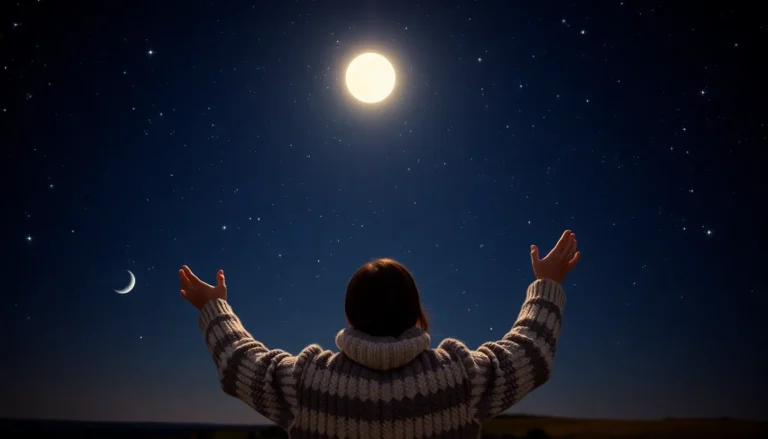
Tonight’s sky is like a cosmic buffet, offering a dazzling array of celestial delights just waiting to be devoured by stargazers. Whether it’s the shimmering glow of the moon, the twinkling of distant stars, or the dance of planets in their orbits, there’s plenty to feast your eyes on. Why scroll through endless social media feeds when the universe is putting on a show right above?
Overview of Tonight’s Sky
Tonight’s sky presents a rich tapestry of celestial phenomena. Bright stars like Sirius and Vega dominate the scene, shining prominently in the evening. The moon, in its waxing gibbous phase, illuminates the landscape, providing a perfect backdrop for stargazing.
Planets such as Jupiter and Saturn appear as dazzling points of light. Observers can spot Jupiter low in the southwest, with its four largest moons visible through binoculars or a small telescope. Saturn, positioned toward the southeast, draws attention with its stunning rings.
Meteor showers may also grace the night, offering a fleeting glimpse of shooting stars. The Perseids, one of the most famous showers, peak near mid-August, while the Geminids shine brightly in December.
Calculating the timing of rise and set for specific celestial objects enhances the viewing experience. Most stars rise in the east and set in the west, providing a consistent pattern for observers.
Weather conditions greatly influence visibility. Clear, dark skies without light pollution yield the best results. Areas away from city lights offer optimal stargazing conditions, enhancing the beauty of the night.
Local astronomy clubs often provide information about upcoming events and viewing opportunities. Engaging with community members can increase knowledge and enjoyment of celestial events. Tonight’s sky is a reminder of the universe’s vastness and beauty.
Celestial Events
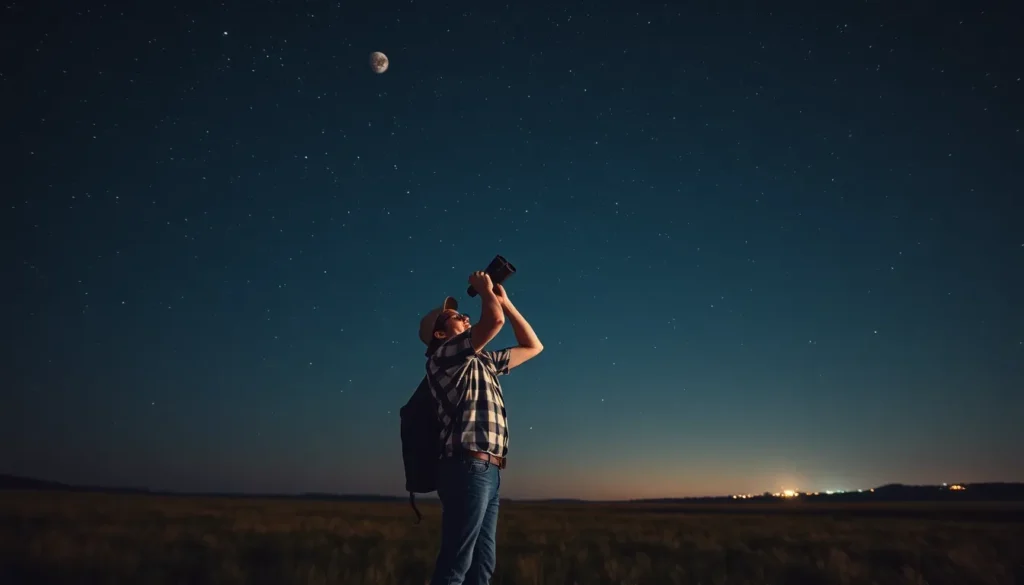
Tonight’s sky displays a spectacular array of celestial phenomena. Stargazers can look forward to several exciting events.
Meteor Showers
Meteor showers captivate onlookers with their fleeting beauty. The Perseids peak around mid-August and often produce more than 60 meteors per hour under optimal conditions. People can also enjoy the Geminids, which peak in December, showcasing up to 120 meteors per hour. Observing these showers requires a dark location with minimal light pollution, ideally away from city lights. Heed the forecasts for the best viewing times, as meteor activity varies with the time of night.
Planetary Alignments
Planetary alignments present a unique opportunity for sky watchers. Tonight, planets like Jupiter and Saturn shine brightly, easily visible to the naked eye. Observers can witness alignments where planets appear close to each other, creating stunning sights. Specific alignments occur about every few years, making each event special. Binoculars enhance the viewing experience, revealing details such as Jupiter’s four largest moons. Knowing the rise and set times boosts the chances of observing these celestial wonders clearly and effectively.
Moon Phases
The moon’s phases offer a captivating view of the night sky. Observers can track changes as it transitions from new to full.
Current Moon Phase
Tonight, the moon phase is waxing gibbous. This phase occurs when the moon is between first quarter and full, illuminating about 51% to 99% of its surface. The increased brightness makes stargazing enjoyable, and the moon’s glow enhances visibility of nearby stars. Lunar features, such as craters and maria, are distinguishable through binoculars or small telescopes.
Best Viewing Times
The optimal viewing times for the moon peak during its prominent visibility hours. After sunset until midnight, the moon shines brightly in the sky. During these hours, stargazers appreciate clear skies. For the best experience, check local sunset times, as they vary by location. Combining this with minimal light pollution significantly enhances the enjoyment of lunar observation.
Stargazing Tips
Stargazing provides an opportunity to connect with the cosmos in a meaningful way. To enhance the experience, consider using the right equipment and choosing ideal locations.
Equipment Needed
Binoculars elevate the stargazing experience, making celestial objects clearer. A telescope allows exploration of features on the moon and planets like Jupiter and Saturn. Star charts and mobile apps help identify constellations and celestial events accurately. Flashlights with red filters prevent night vision loss while navigating dark environments. Comfortable seating, such as lawn chairs or blankets, offers relaxation during long viewing sessions. A notebook can be useful for documenting observations and thoughts on the night sky.
Ideal Locations
Dark areas away from city lights provide optimal stargazing conditions. National parks and open fields often present expansive views of the night sky. Remote hills or mountains can reduce atmospheric interference, enhancing visibility. Researching local astronomy clubs may reveal organized stargazing events at prime locations. Beaches also offer unobstructed horizons for viewing low-sky objects. Check local conditions such as weather and air quality for the best stargazing experience.
Tonight’s sky is a reminder of the wonders that exist beyond our daily distractions. With the moon casting its glow and planets like Jupiter and Saturn shining brightly, there’s no better time to step outside and reconnect with the universe. Stargazers can find joy in the simple act of observing the celestial dance above, whether it’s through binoculars or simply with the naked eye.
By taking the time to appreciate the night sky, individuals can experience a sense of tranquility and awe. So grab a blanket, find a dark spot, and immerse yourself in the beauty of the cosmos. The universe is waiting to be explored.